‘Hopeful Monsters’ by Ione Maria Rojas
Hopeful Monsters
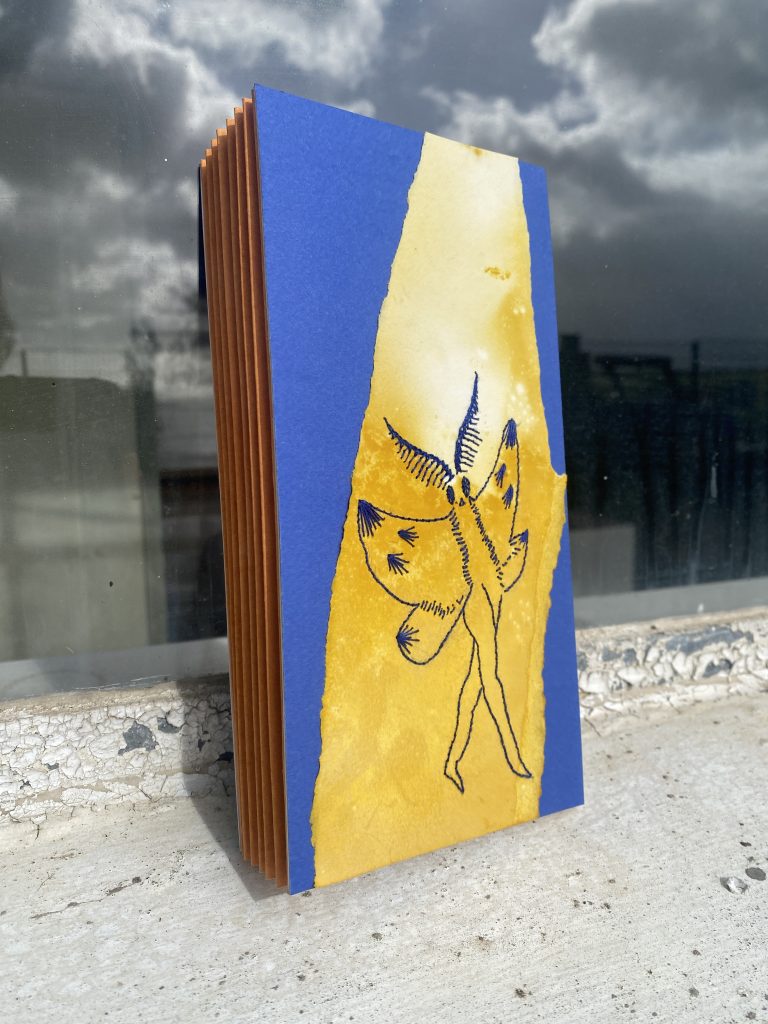
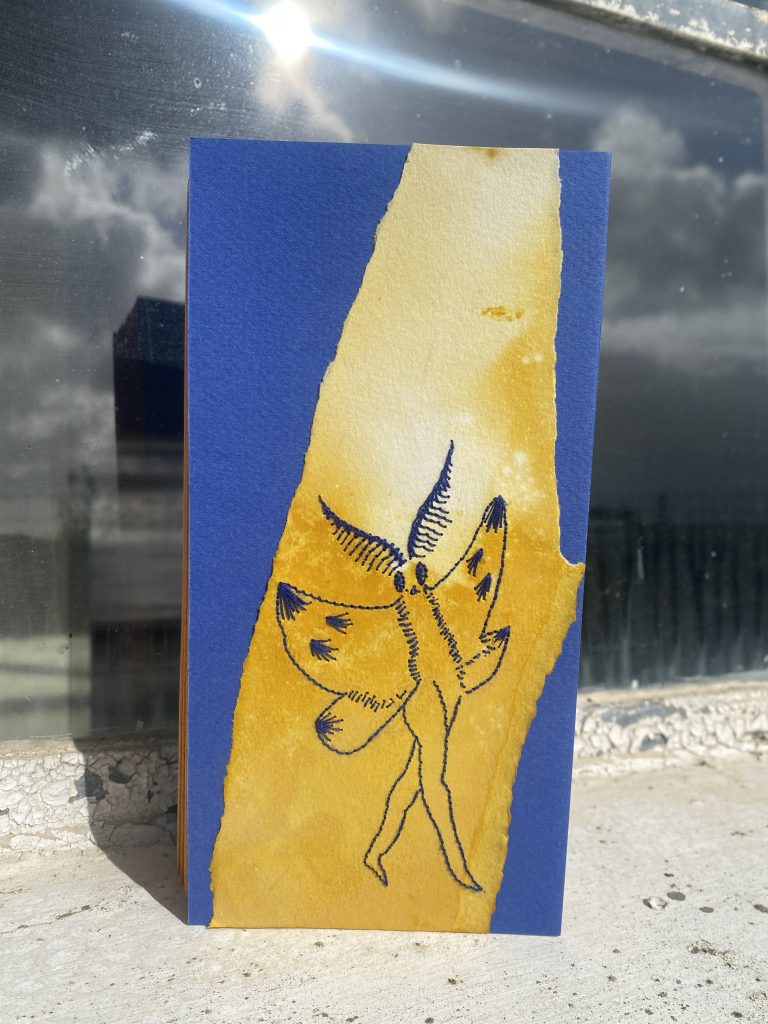
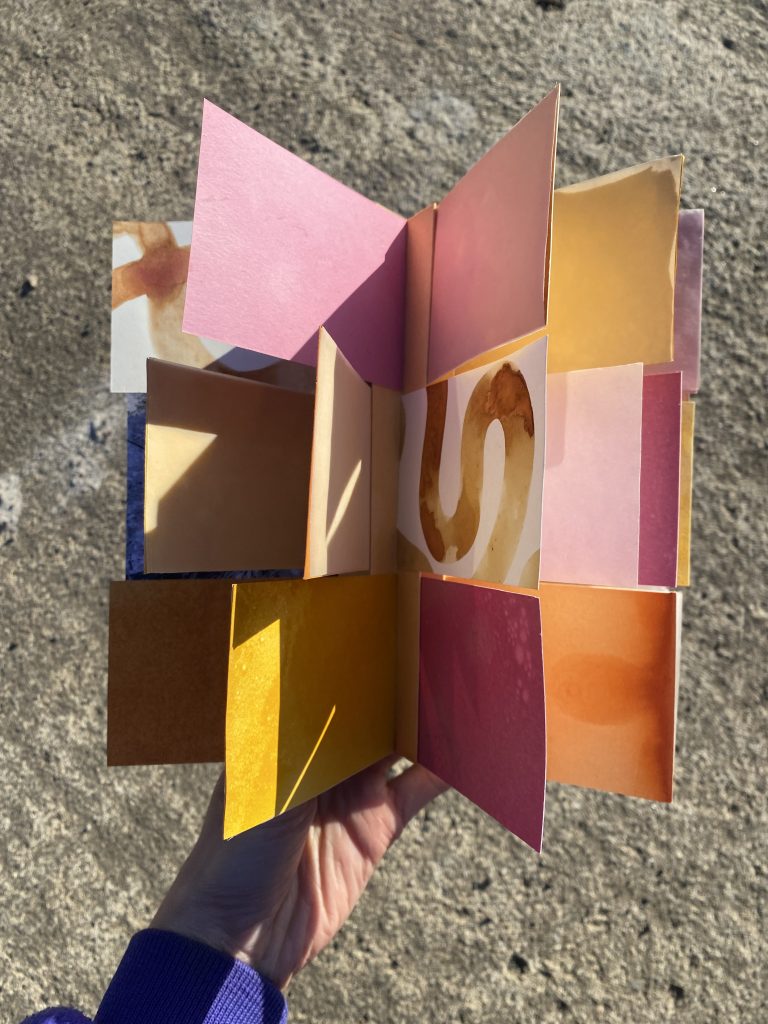
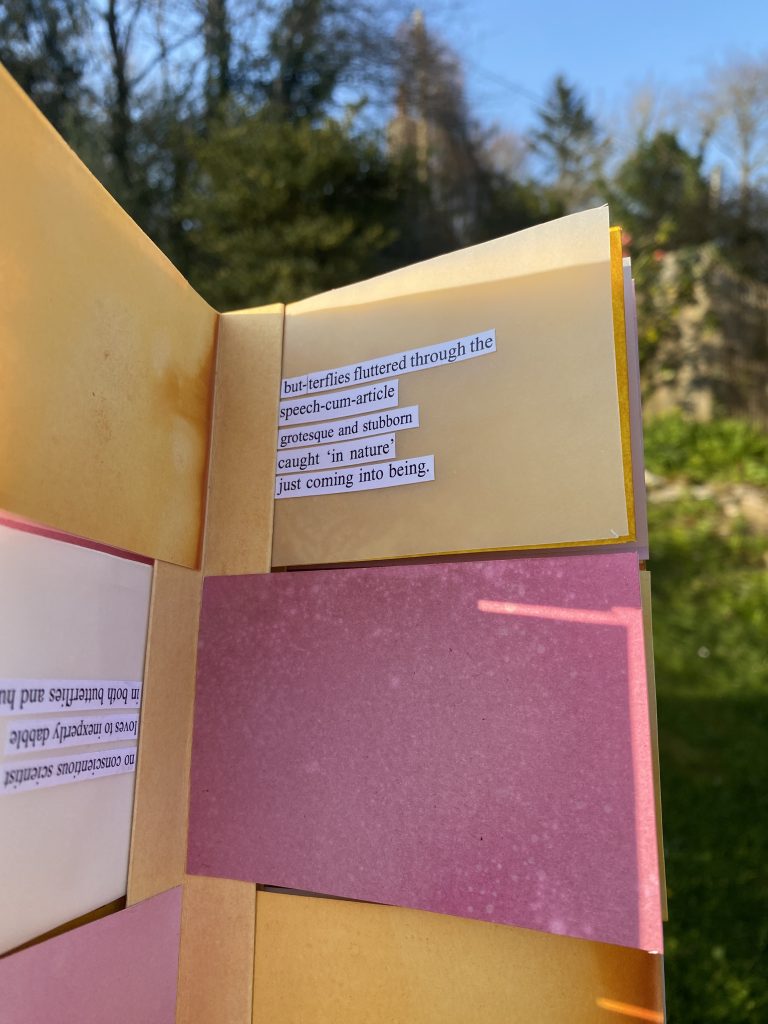
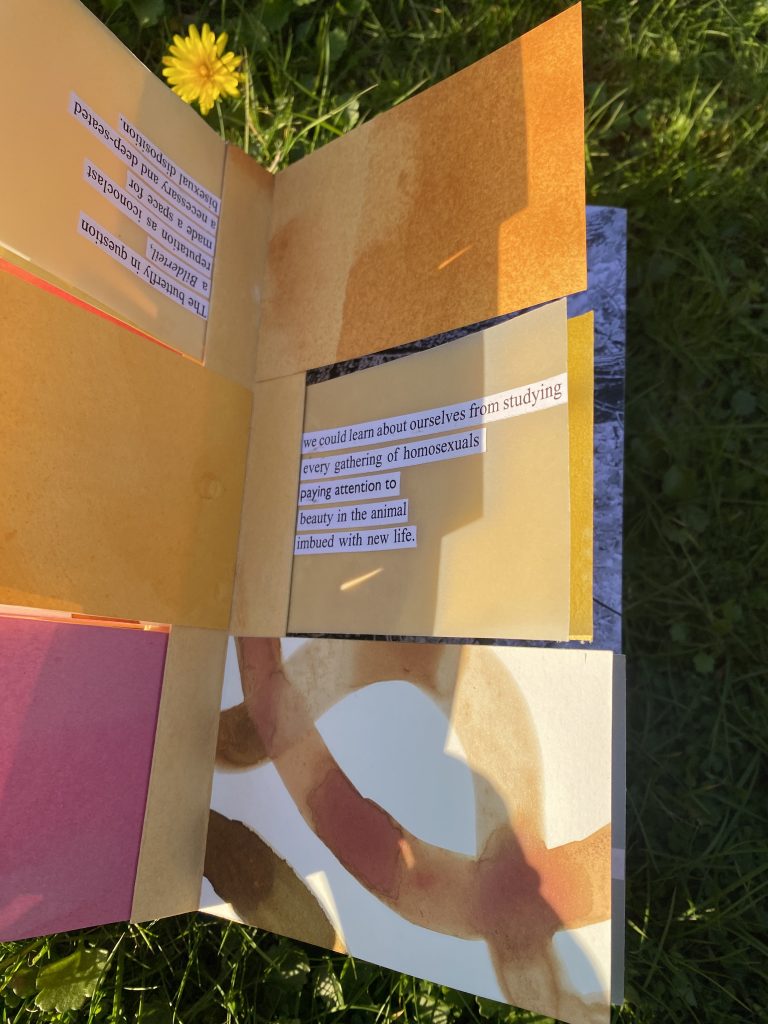
Artist’s book — naturally dyed papers, collaged poem, embroidered cover
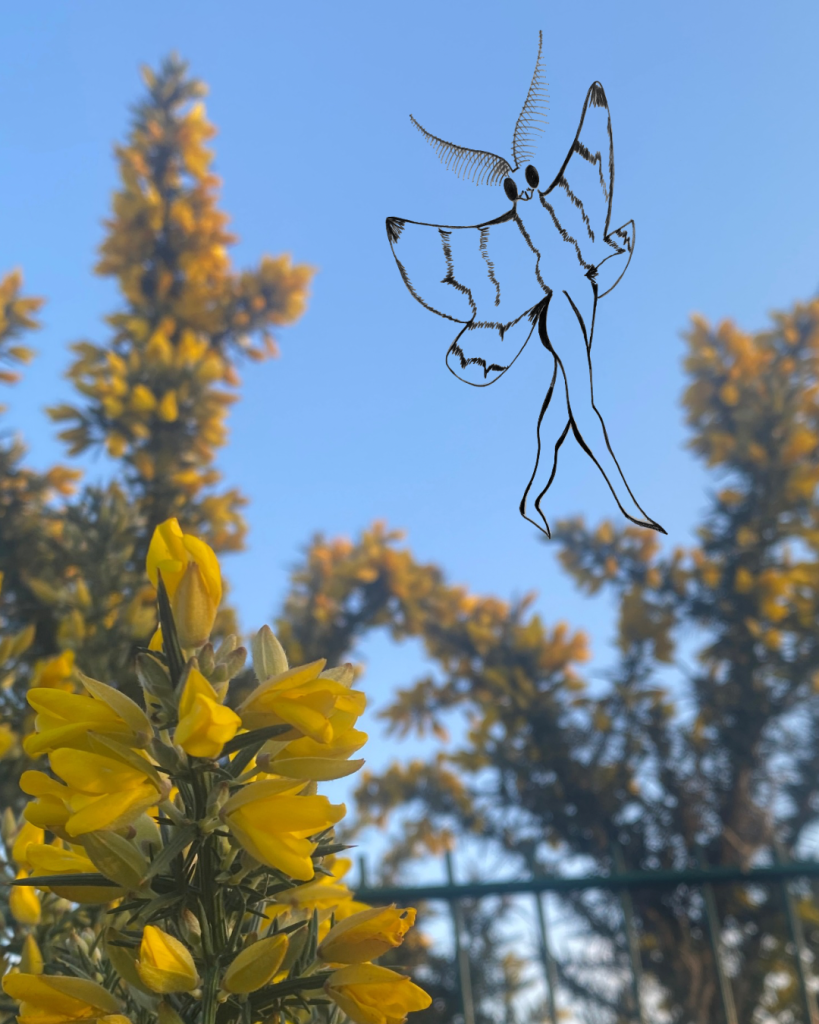
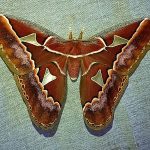
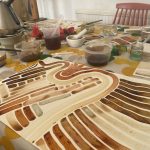
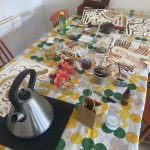
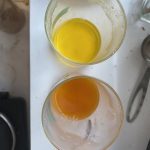
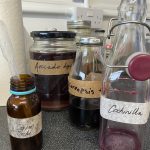
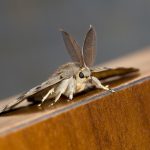
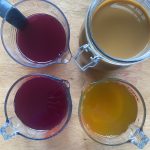
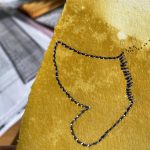
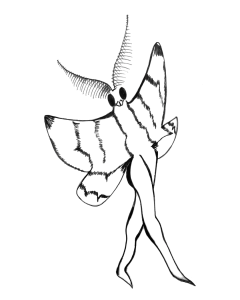 This book began with a conversation. I visited Dr Ina Linge, Queer Natures project lead, at her home where, as she told me about her research, we made inks from coreopsis flowers and plants gathered from her garden, drawing abstract markings on paper and enjoying the surprising colours that emerged. I was intrigued by her description of Richard B. Goldschmidt’s work breeding intersex butterflies in early 20th century Germany, and the role these creatures came to play in debates around sex and gender diversity, including the criminalisation of homosexuality under Paragraph 175. I was particularly struck by a detail she shared: that Goldschmidt chose to study the then-named gypsy moth, Lymantria dispar, partly because he was colourblind, and its black and white wing markings were ones he could easily see. It seemed to me an endearing reminder that however objective we try to be, the human observer is always woven into the work. The embroidered figure on the cover was born from this idea: part moth, part human, the two beings merged in the research.
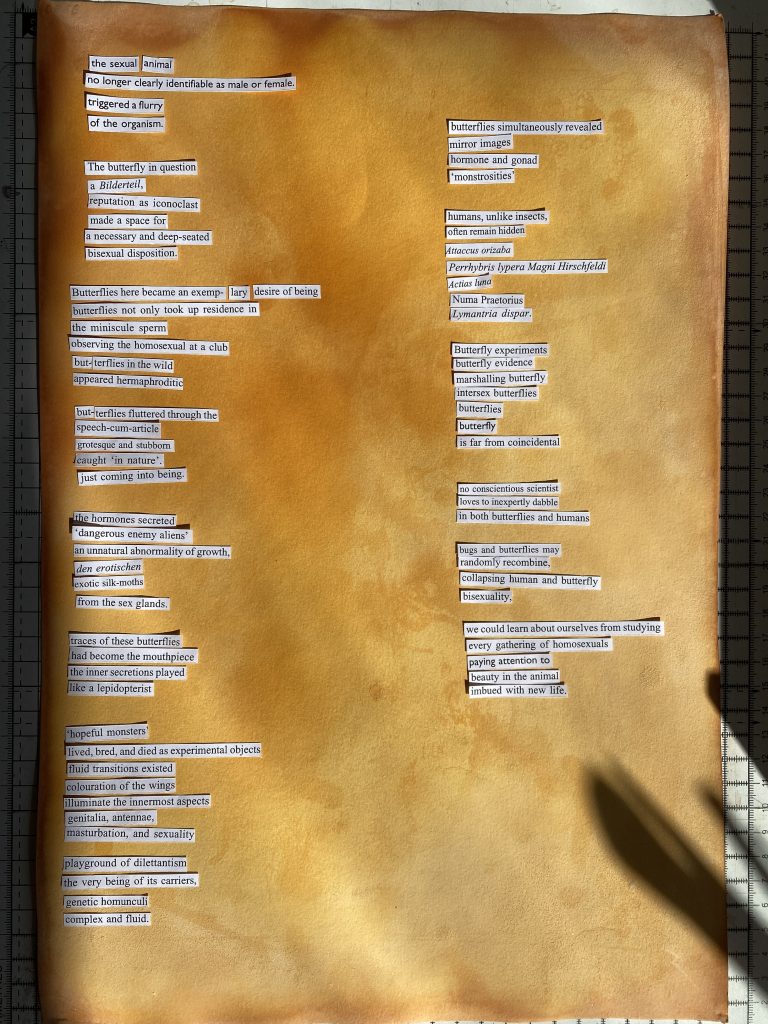
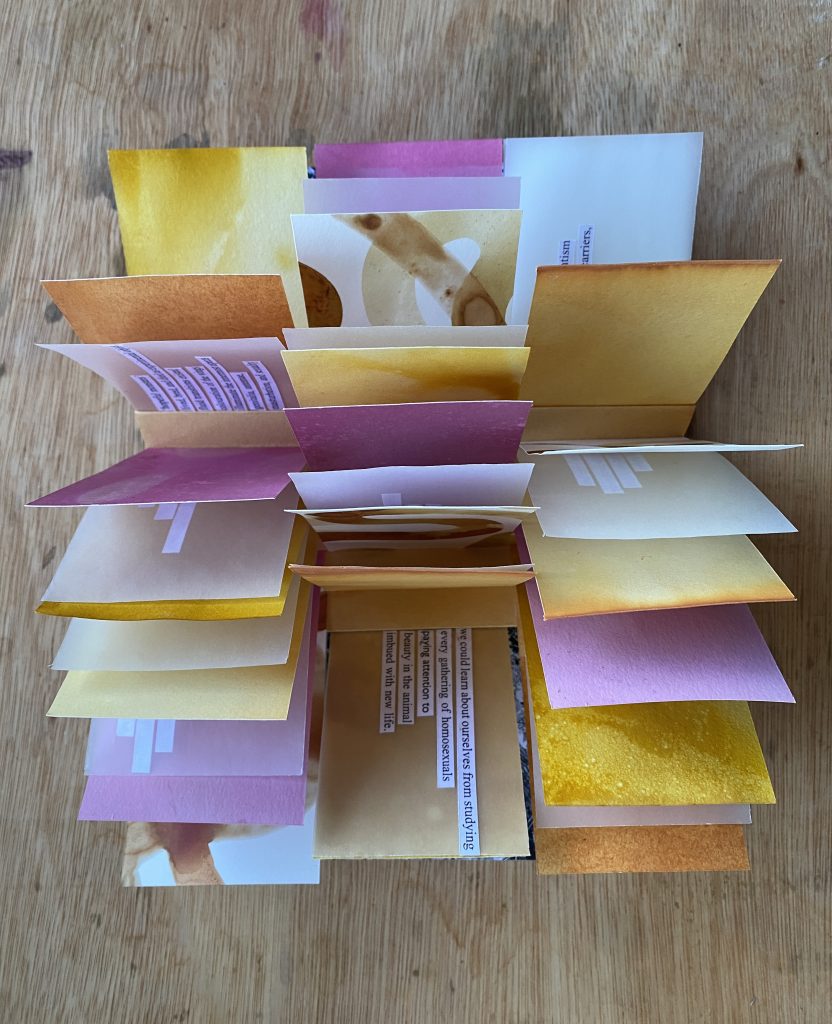
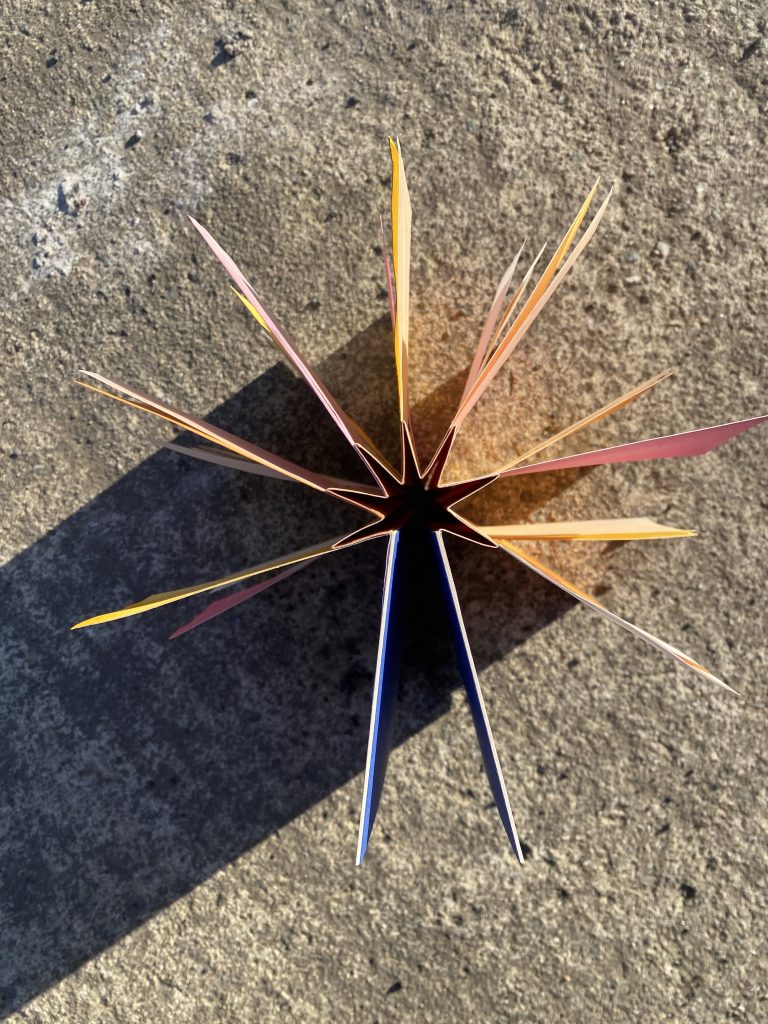
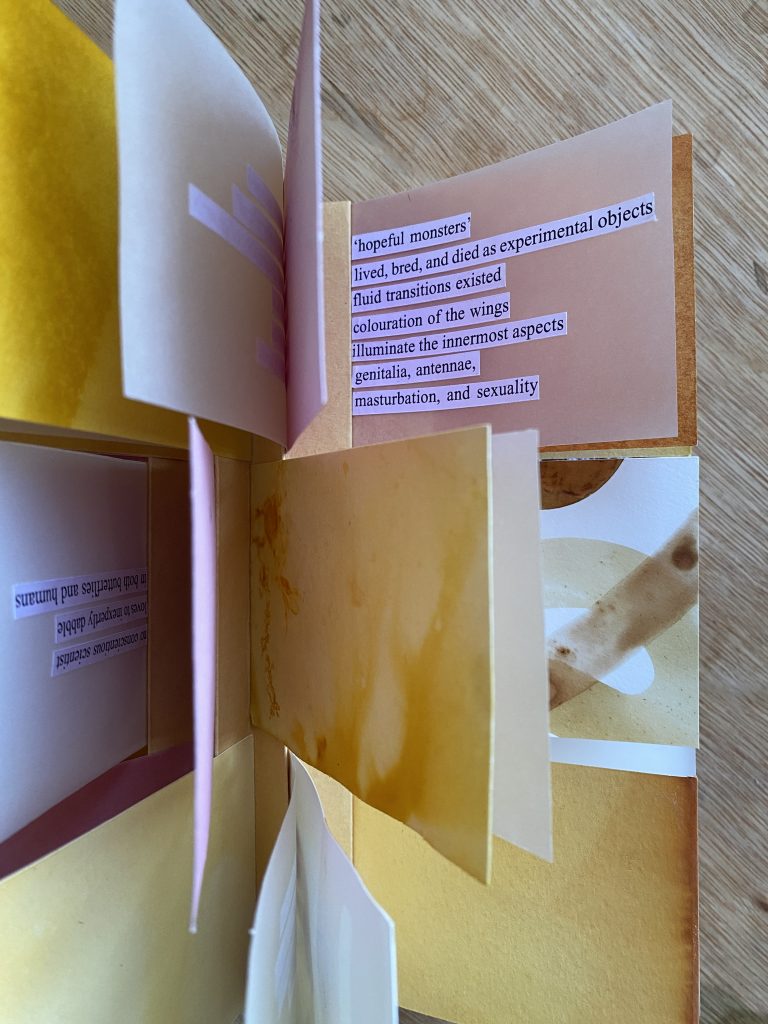
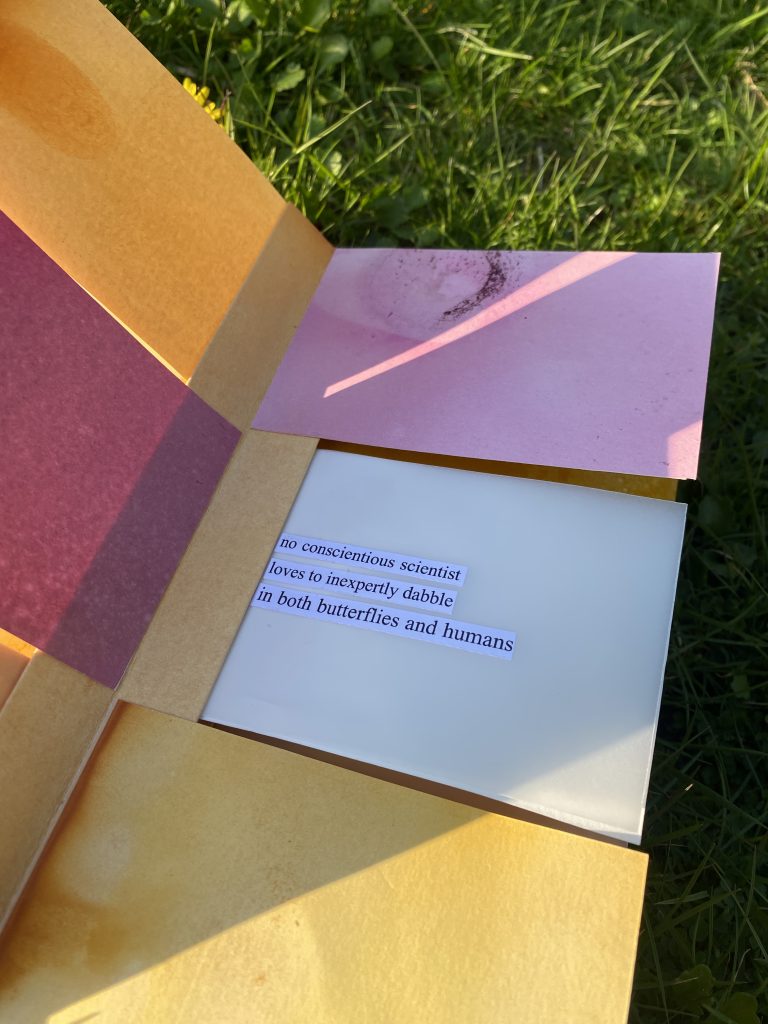
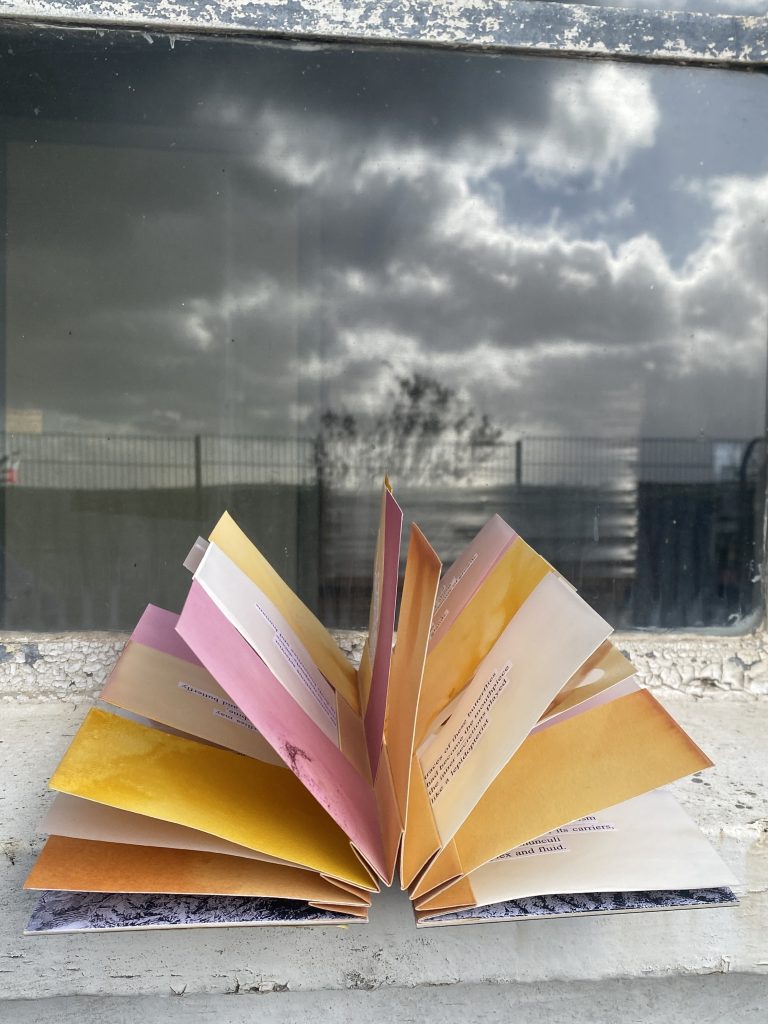
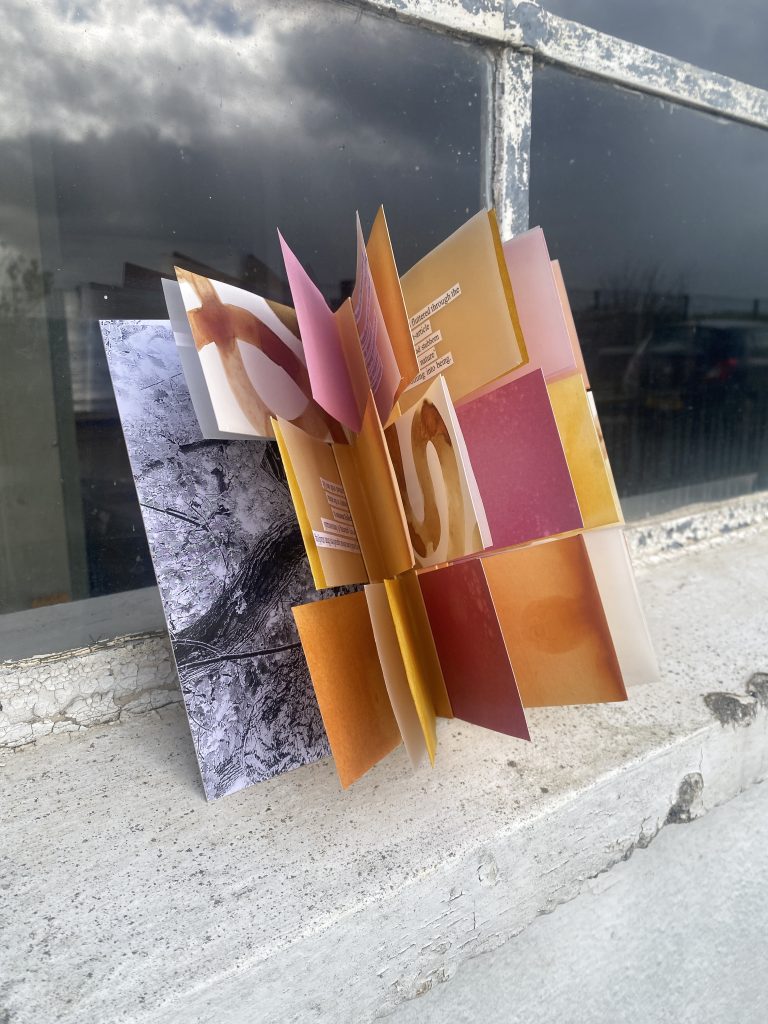
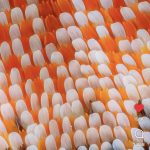
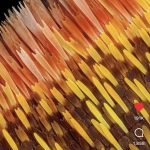
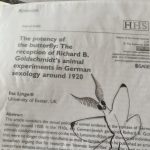
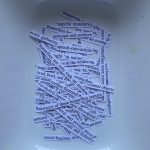
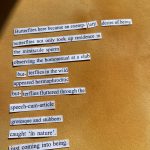
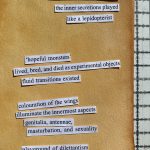
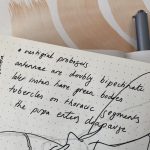
Inside the book, I used a Dada technique from the same era as Goldschmidt and his fans: the collaged poem, cut from Dr Linge’s essay on the political ‘potency’ of the intersex butterflies. In the essay she reflects on the role these butterflies unwittingly played in the development of sexology and the different ways academics employed them to argue their points. I wanted to employ them as an artist and loved watching her words take on new meanings, tender or absurd, as they moved across the page. The book’s form echoes this: its pages open like wings and whir as you turn them, and its layout draws on microscopic images of moth scales. Lepidoptera comes from the Greek lepis (scale) and pteron (wing) — scaly-winged. The book can be turned and opened from either cover, further reflecting our tendency to read things from our own perspective.
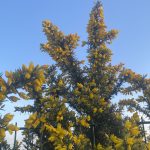
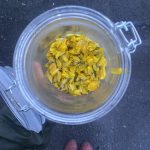
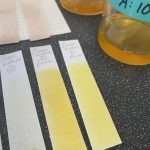
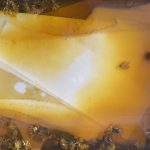
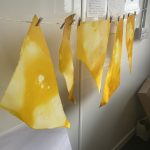
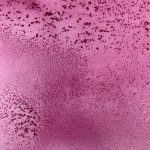
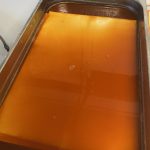
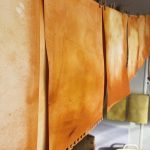
The papers inside were dyed with gorse, dyer’s chamomile, coreopsis (foraged and grown in Devon), palo de campeche and cochineal (bought from a regenerative project in Mexico). The colours reflect my own mixed identity, merging the UK and Mexico, just as the moths at the heart of this research were of German-Japanese mixed heritage. As Walt Whitman said only a few decades before, we contain multitudes.
The title is Goldschmidt’s own – his term for an organism so radically departing from type that it either fails to survive or becomes the founder of something new, a ‘hopeful monster’.
-
- Screenshot
-
- Screenshot
About the Artist
Ione Maria Rojas is a material-led artist, colourmaker, landworker and facilitator working with natural pigments, drawing, writing and communities to explore how relationships with the more-than-human world reveal what it means to be human. Using colours gathered from specific landscapes, her work celebrates overlooked or undervalued species that live between categories – weeds, slugs, eels, sometimes hybrid imaginal beings. These creatures become companions and teachers in liminal identity, transformation and finding one’s place in a weird world.
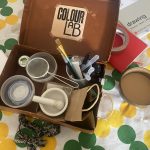
Ione also runs Colour Lab, where she shows people how to make colour from plants, minerals and everyday waste materials, and has delivered participatory projects for organisations such as RAMM Exeter, Make Southwest, the Thelma Hulbert Gallery, the Thames Festival Trust and Greenpeace.